Louisiana’s weather is known for its heat, humidity, sudden storms, and long allergy seasons. While most people think about these conditions affecting their comfort or outdoor plans, they can also have a significant impact on eye health. For residents in Hammond and across Tangipahoa Parish, changing weather patterns can contribute to dry eyes, allergies, irritation, and even changes in vision.
Quick Answer
Yes, Louisiana weather can affect your eyes and vision in several ways. High humidity, airborne pollen, UV exposure, heavy rainfall, and seasonal weather changes can all contribute to eye irritation, allergies, dryness, blurred vision, and increased discomfort for contact lens wearers. Understanding these local environmental factors can help you better protect your vision throughout the year.
What Local Readers Should Know
Louisiana’s long allergy season often increases itchy, watery, and irritated eyes.
Strong UV exposure during sunny days around Hammond can contribute to long-term eye damage if proper protection is not used.
Sudden weather changes and Gulf Coast storms may worsen dry eye symptoms for some people.
High humidity can make contact lenses less comfortable, especially when combined with outdoor heat and perspiration.
Regular comprehensive eye exams help identify weather-related irritation while also detecting unrelated vision problems early.
Why This Matters Locally
Residents of Hammond experience a climate that differs from many other parts of the country. Located in Tangipahoa Parish and within driving distance of Lake Pontchartrain, Ponchatoula, Albany, Independence, and Amite, our area experiences warm temperatures for much of the year, frequent rainfall, and extended pollen seasons.
These conditions create an environment where seasonal eye irritation is common. While many symptoms are temporary, recurring discomfort should never be ignored because it may indicate dry eye disease, allergies, or another condition requiring professional evaluation.
At Tangi Vision Outlet, we regularly help local patients understand how environmental conditions affect their vision and recommend personalized solutions for long-term eye comfort.
Local Weather Patterns That Can Affect Your Eyes
Louisiana’s climate creates several environmental conditions that commonly affect eye health. Local field observations show that patients often notice changes in comfort during periods of high pollen, elevated humidity, or rapidly changing weather.
Some of the biggest local factors include:
High Pollen Levels
Spring and fall bring tree, grass, and weed pollen throughout Tangipahoa Parish. These allergens frequently trigger:
Red eyes
Itchy eyelids
Excessive tearing
Burning sensations
Puffy eyes
Intense Sunlight and UV Exposure
Even on cooler days, ultraviolet rays remain strong across southeast Louisiana. Long-term UV exposure has been associated with increased risks of cataracts and other eye conditions, making quality sunglasses an important part of everyday eye protection.
Heat and Humidity
Although humidity often sounds beneficial, prolonged exposure to heat combined with air conditioning can actually worsen dry eye symptoms. Constant movement between humid outdoor air and cool indoor environments may reduce tear stability.
Wind Before and After Storms
Thunderstorms frequently bring gusty winds that carry dust, pollen, and other airborne particles. These irritants can easily reach the surface of the eye, causing temporary discomfort.
How Louisiana Weather Impacts Daily Vision
Weather-related eye irritation can interfere with everyday activities. Many local residents notice symptoms while:
Driving during bright afternoon sun
Spending time outdoors at sporting events
Gardening
Fishing near local waterways
Working outside during the summer
Wearing contact lenses throughout the day
Even mild irritation may reduce comfort during reading, computer work, or nighttime driving.
Warning Signs Your Eyes May Be Reacting to the Weather
Weather-related eye problems often develop gradually. Common warning signs include:
Persistent itching
Red or bloodshot eyes
Watery eyes
Burning or stinging sensations
Blurry vision that improves after blinking
Light sensitivity
Feeling like something is in your eye
Contact lenses becoming uncomfortable sooner than usual
If symptoms persist beyond seasonal changes or become painful, it is important to schedule an eye examination.
When to Schedule an Eye Exam
Weather-related irritation is often manageable with proper care, but recurring symptoms deserve professional attention. While occasional dryness or allergy symptoms may improve with simple measures, ongoing discomfort, vision changes, severe redness, or eye pain should always be evaluated by an eye care professional.
A comprehensive eye exam can determine whether symptoms are caused by allergies, dry eye disease, an infection, or another underlying condition.
Common Local Causes of Weather-Related Eye Problems
Several environmental factors commonly affect residents throughout the Hammond area.
Seasonal Allergies
Louisiana’s extended growing season allows pollen to remain present for much of the year.
Extended Outdoor Exposure
Many residents spend significant time outdoors for work or recreation, increasing UV exposure and contact with airborne irritants.
Indoor Air Conditioning
Air conditioning provides welcome relief from summer heat but may also contribute to dry indoor air that affects tear production.
Contact Lens Wear
Contact lenses can become less comfortable during periods of heavy pollen, excessive perspiration, or prolonged dryness.
Prevention and Maintenance Tips
Protecting your eyes starts with simple daily habits.
Wear sunglasses that block UVA and UVB rays.
Use artificial tears if recommended by your eye care provider.
Wash pollen from your face after spending time outdoors.
Replace contact lenses according to their recommended schedule.
Stay hydrated throughout hot Louisiana summers.
Wear protective eyewear during yard work or outdoor projects.
Schedule regular comprehensive eye exams even if your vision seems stable.
What Results Can You Expect?
Managing weather-related eye irritation often leads to improved comfort, clearer vision, and healthier eyes. While seasonal conditions cannot be controlled, the right combination of protective eyewear, proper eye care, and personalized treatment recommendations can significantly reduce recurring symptoms.
Common Mistakes to Avoid
Ignoring recurring irritation
Persistent symptoms may indicate more than seasonal allergies.
Using redness-relief drops too often
Frequent use may mask symptoms rather than address the underlying cause.
Skipping sunglasses on cloudy days
Ultraviolet rays still penetrate cloud cover.
Continuing to wear uncomfortable contact lenses
Removing lenses and consulting your eye care provider is often the better choice when discomfort develops.
A Common Local Scenario
Imagine spending the morning at a local festival in Ponchatoula before heading back to Hammond. After several hours outdoors, your eyes become itchy, watery, and sensitive to light. While many people assume these symptoms are simply allergies, they may also involve dry eye, UV exposure, or irritation from airborne particles. A professional eye examination can identify the true cause and recommend the most effective treatment.
Related Eye Care Services
Several services can help address weather-related vision concerns, including:
Identifies the underlying cause rather than simply treating symptoms
Serving Hammond and Nearby Communities
We proudly serve patients throughout Hammond as well as nearby communities including Ponchatoula, Albany, Independence, Tickfaw, Amite, and other areas throughout Tangipahoa Parish. Local knowledge helps us understand the environmental factors that affect vision throughout southeast Louisiana.
The Cost of Ignoring Eye Symptoms
Delaying treatment may allow minor irritation to become a larger problem. Persistent dryness, untreated allergies, or changes in vision can affect work, driving, school, and daily comfort. Regular eye care helps identify concerns early and supports long-term eye health.
Yes. Although humidity can help reduce evaporation, constant movement between humid outdoor conditions and air-conditioned indoor spaces may contribute to dry eye symptoms for many Louisiana residents.
Why do my eyes itch more during spring in Hammond?
Spring pollen levels throughout Hammond and surrounding communities often increase allergic eye symptoms, including itching, redness, and excessive tearing.
Should I wear sunglasses even on cloudy days in Louisiana?
Yes. Ultraviolet rays can pass through cloud cover, so wearing quality UV-protective sunglasses helps protect your eyes throughout the year.
Can weather affect contact lens comfort?
Yes. Heat, pollen, perspiration, and changing humidity levels may make contact lenses feel less comfortable during certain times of the year.
How often should I have an eye exam in Hammond?
Most adults benefit from regular comprehensive eye exams based on their age, vision needs, and eye health history. Your eye doctor can recommend an appropriate schedule.
When should I seek professional care for eye irritation?
Persistent discomfort, vision changes, significant redness, pain, or symptoms that do not improve with basic care should be evaluated by an eye care professional.
Protect Your Vision Through Every Louisiana Season
Weather conditions in southeast Louisiana can affect your eyes in many different ways, but the right preventive care and regular eye exams can help keep your vision healthy throughout the year. Whether you are experiencing seasonal discomfort or simply want to stay proactive about your eye health, we are here to help.
Schedule Your Eye Exam with Tangi Vision Outlet
Healthy vision starts with personalized care from a local team that understands the unique environmental conditions affecting Hammond and surrounding communities.
Most people only think about their vision when something feels wrong. A headache that won’t quit, blurry text on a screen, or squinting at road signs might finally push someone to book an appointment. But waiting for symptoms is one of the biggest mistakes you can make when it comes to your eye health. Scheduling routine eye exams on a consistent basis is one of the most proactive things you can do for your overall well-being, and if you live in the area, finding a trusted optometrist in Hammond, LA is easier than you might think.
The real question most people have is simple: how often should you actually go? The answer depends on your age, health history, and risk factors, but there are general guidelines that apply to nearly everyone. Understanding those guidelines can help you stay ahead of conditions that develop silently and cause lasting damage before you ever notice a single symptom.
Why Routine Eye Exams Matter More Than You Think
There is a common misconception that eye exams are only necessary when your vision seems off. In reality, comprehensive eye exams in Hammond, LA serve a purpose far beyond checking whether you need glasses or updating a prescription. Your eyes can reveal signs of serious systemic conditions like diabetes, high blood pressure, and even certain neurological disorders, often before other symptoms appear elsewhere in the body.
An optometrist in Hammond, LA does not just assess how clearly you can see a chart on the wall. A thorough exam evaluates the health of your retina, optic nerve, cornea, and surrounding structures. Conditions like glaucoma, macular degeneration, and diabetic retinopathy can develop gradually without causing obvious vision changes in the early stages. By the time you notice something is wrong, significant damage may already have occurred. Routine eye exams give your doctor the opportunity to catch these issues early, when treatment is most effective and outcomes are far better.
Beyond disease detection, regular exams also help you maintain visual comfort in your daily life. Eye strain from digital screens, difficulty driving at night, and persistent headaches are all issues that a comprehensive exam can address. Keeping up with eye exams in Hammond, LA means you are not just protecting your sight, you are also improving your quality of life.
Recommended Frequency by Age Group
Age plays a major role in how often you should be scheduling eye exams. The needs of a toddler are very different from those of a working adult or a senior citizen, and following age-appropriate guidelines ensures that problems are caught at the right time.
For infants and young children, early eye exams are critical. Vision problems in childhood can interfere with learning, reading, and development. Pediatric eye issues like amblyopia (lazy eye) and strabismus (crossed eyes) are far more treatable when identified early. Children should have their first eye exam around six months of age, followed by another around age three, and again before starting school. Once in school, annual eye exams are recommended because vision can change rapidly during these years.
For adults between the ages of 18 and 39 with no known risk factors, a comprehensive eye exam every one to two years is typically sufficient. However, even within this group, more frequent visits may be warranted. If you wear contact lenses or eyeglasses, an annual eye exam helps ensure your prescription stays accurate and your lenses are not contributing to discomfort or eye health issues.
Adults aged 40 and older should begin scheduling annual eye exams without exception. This is the age range when presbyopia (difficulty focusing on close objects) commonly begins, and when the risk for conditions like glaucoma, cataracts, and macular degeneration starts to increase meaningfully. For anyone over 60, annual visits to an optometrist in Hammond, LA are strongly encouraged, as age-related eye diseases become significantly more prevalent.
Risk Factors That May Require More Frequent Visits
For some individuals, the standard schedule of routine eye exams is not enough. Certain health conditions and lifestyle factors elevate the risk of developing eye disease, and those individuals should be visiting their eye doctor more frequently, sometimes every six months rather than once a year.
Diabetes is one of the most significant risk factors for eye disease. Diabetic retinopathy is a leading cause of blindness among working-age adults, and it progresses without symptoms in its early stages. Anyone with Type 1 or Type 2 diabetes should be scheduling comprehensive eye exams in Hammond, LA at least once a year, and in some cases more often depending on how well blood sugar is managed.
A family history of glaucoma significantly raises your personal risk, as glaucoma has a strong genetic component. High blood pressure, thyroid disease, and autoimmune conditions like lupus can all affect your eyes as well. If you take medications that carry known ocular side effects, such as certain antimalarial drugs or corticosteroids, your optometrist may want to monitor your eyes more closely.
People who spend long hours on computers or other digital devices may also benefit from more frequent visits, particularly if they experience chronic digital eye strain. While this does not typically cause permanent damage, it can significantly affect comfort and productivity, and an eye doctor can recommend strategies and corrective options that help.
What to Expect During a Comprehensive Eye Exam
If it has been a while since your last visit, or if you have never had a full exam as an adult, knowing what to expect can make the experience feel less intimidating. Eye exams in Hammond, LA follow a thorough process designed to evaluate both your vision and the internal and external health of your eyes.
At the start of your appointment, you will typically discuss your personal and family medical history, current medications, and any vision concerns you have noticed. From there, your optometrist will test your visual acuity, which is the familiar letter chart test, as well as your peripheral vision, depth perception, and color vision.
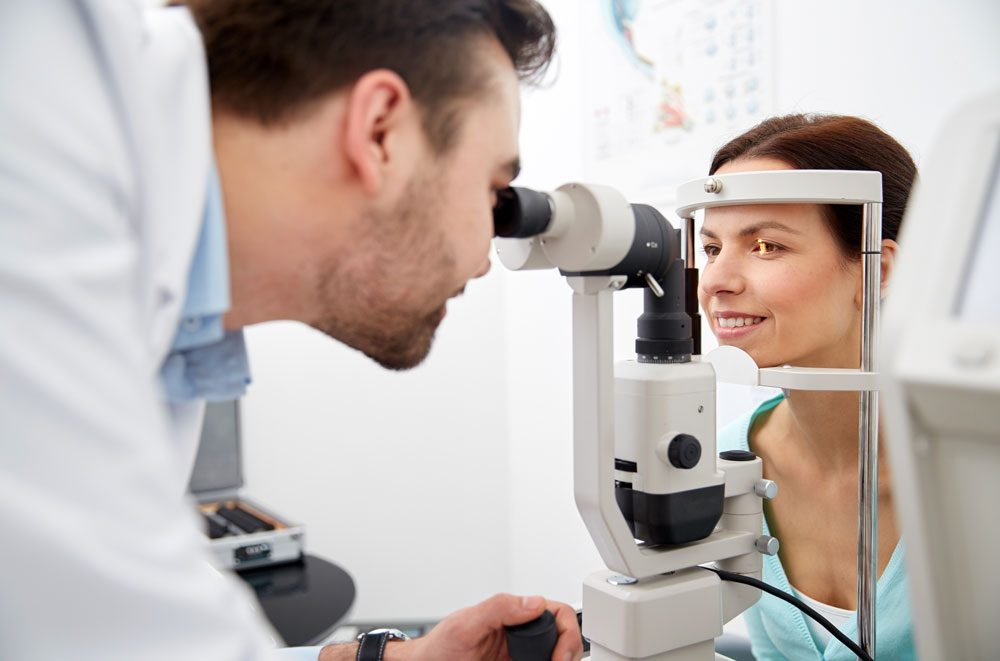
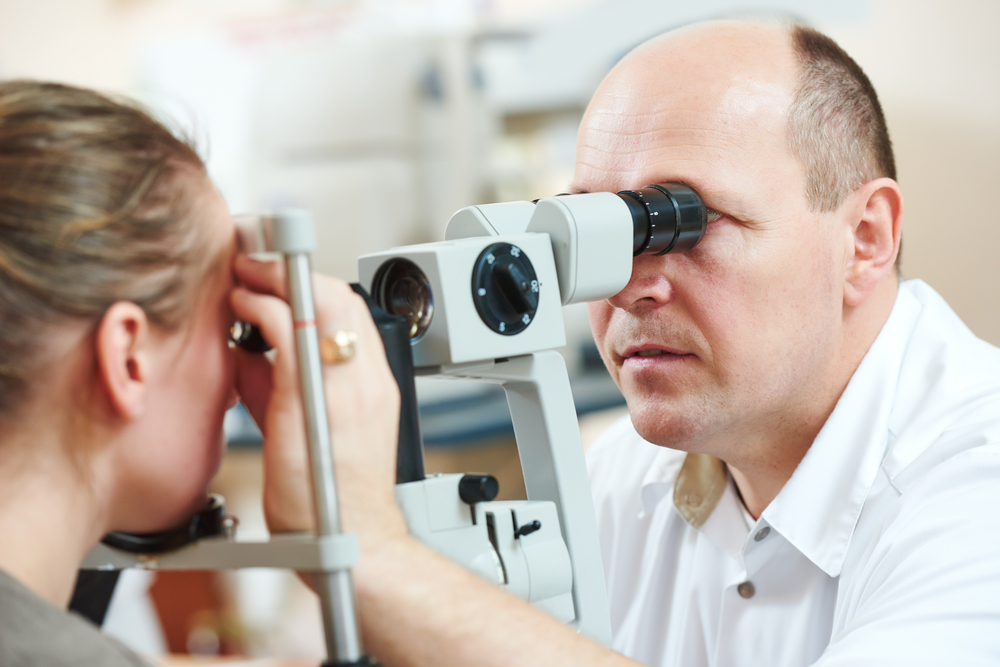
The exam will also include a refraction test to determine your exact prescription if corrective lenses are needed. Your eye pressure will be measured, which is a key indicator for glaucoma. Your doctor will examine the front surface of your eyes using a slit lamp, and will often dilate your pupils to get a clear view of the retina and optic nerve in the back of the eye.
The entire process is painless and typically takes between 45 minutes and an hour. Dilation can cause light sensitivity and temporarily blurry close-up vision for a few hours, so it is a good idea to bring sunglasses and arrange a ride if needed. Scheduling your annual eye exam is a small commitment of time that can yield enormous long-term benefits.
How to Find the Right Optometrist in Hammond, LA
Choosing an eye care provider is a personal decision, but there are a few factors worth considering. Look for a licensed optometrist in Hammond, LA with experience treating patients across all age groups, from young children to seniors. A practice that offers comprehensive eye exams, contact lens fittings, and access to specialty care or referrals gives you a complete resource for your vision health.
Word of mouth from friends and family in the community is often a reliable starting point. Online reviews can also provide insight into the patient experience, wait times, and how well the staff communicates. It is worth confirming that the practice accepts your insurance before booking, and asking whether they offer same-day or next-day appointments for urgent concerns.
Building a long-term relationship with one provider is beneficial because continuity of care allows your doctor to track changes in your eye health over time and respond quickly when something shifts.
Conclusion
Whether you are due for your first visit in years or simply want to confirm you are on the right schedule, the most important step is making the appointment. Routine eye exams are a cornerstone of preventive health care, not just vision correction. By staying consistent with eye exams in Hammond, LA, you give yourself the best possible chance of catching problems early, maintaining clear and comfortable vision, and protecting your eyesight for years to come.
Need Optometry Services Near You?
Here at Tangi Vision Outlet, we’re passionate about helping you see the world clearly and comfortably! For over 10 years, our family-owned business in Hammond, Louisiana, led by Dr. Stephen E. Warren, has been dedicated to providing top-notch optometry services and custom eyewear tailored to your needs. With our cost-effective solutions, unmatched customer service, and a one-year, no-hassle scratch warranty on all products, we’re here to make your experience stress-free and satisfying. Walk in any day, even Saturdays, to see a doctor on staff—no appointment necessary. Reach out to us today and let us help you find your perfect pair of glasses!
Our vision is one of the most precious senses we have, and we often take it for granted. In today’s world, where technology plays a major role in almost everything we do, it’s easy to overlook the importance of routine eye care. Many individuals believe that if they have perfect vision, there is no need for an eye exam. However, this is a common misconception. Even if you think your eyes are in perfect condition, regular eye exams remain essential. In this article, we’ll explore why annual eye exams are crucial for everyone, even those who believe they have flawless vision.
Eye Exams Detect Problems Before Symptoms Appear
One of the primary reasons annual eye exams are so important is because many eye diseases and conditions develop without showing any noticeable symptoms in their early stages. For example, conditions like glaucoma, macular degeneration, or diabetic retinopathy often progress quietly without causing pain or noticeable changes in vision until they are in more advanced stages. By the time these conditions cause noticeable symptoms, significant damage may have already occurred.
An eye exam performed by a qualified Hammond optometrist can identify these conditions before they become problematic, allowing for early intervention and potentially preventing irreversible damage to your eyesight. Regular eye check-ups give eye care professionals the opportunity to monitor the health of your eyes over time, detecting subtle changes that you might not even be aware of. This can result in better long-term vision health and prevent more serious issues down the road.
Vision Changes Over Time, Even If You Don’t Notice
While you might not experience any obvious vision issues, it’s important to remember that your eyes can change gradually over time. Vision changes don’t always happen in a way that’s immediately noticeable. You may not realize that you’re straining to see clearly, or you might subconsciously adjust your posture to compensate for blurry vision. Over time, these subtle changes can add up, but because they happen gradually, you may not notice them until it’s too late.
Regular eye exams give your optometrist the opportunity to detect any changes in your vision and make necessary adjustments to your prescription. Even if you feel like your vision is perfect, you may not realize that slight shifts in your ability to focus can lead to discomfort, eye strain, or even headaches. An annual eye exam can help detect these issues early and provide solutions that make daily tasks easier and more comfortable.
Annual Eye Exams Can Reveal Systemic Health Conditions
Your eyes don’t just reveal information about your vision; they can also provide valuable insight into your overall health. Eye exams can help detect systemic health conditions that may not yet be showing symptoms elsewhere in your body. Conditions like high blood pressure, diabetes, and even certain types of cancer can sometimes be detected during a thorough eye exam.
For example, diabetic retinopathy is a condition caused by high blood sugar levels, and it can lead to vision loss if not properly managed. A Hammond optometrist can spot early signs of this condition during a routine eye exam, helping you seek medical treatment before it becomes a more serious problem. In some cases, an eye exam can even uncover signs of more serious conditions like brain tumors or multiple sclerosis.
By visiting an eye care professional regularly, you are not only taking care of your eyes but also giving your body a comprehensive check-up. Many patients have been referred to their primary care physicians after an eye exam because their optometrist identified signs of a health issue that had gone undetected until that point. Annual eye exams can be a proactive step in taking care of your overall health.
Protecting Your Vision From the Effects of Aging
As we age, our eyes undergo natural changes that can impact our vision. It’s a fact that eyesight tends to decline with age, but how this happens and how quickly it occurs can vary from person to person. Conditions such as presbyopia, cataracts, and macular degeneration become more common as we get older. While some of these conditions are inevitable, early detection and proper management can make a huge difference in the quality of your vision.
Presbyopia, for example, is a condition that affects everyone to some degree as they age, usually starting around the age of 40. This condition makes it difficult to focus on close objects, such as reading a book or working on a computer. While presbyopia is a normal part of aging, an eye exam allows your optometrist to identify it early and provide solutions like reading glasses or contact lenses that can improve your comfort and ability to see clearly. Cataracts, which cause clouding of the eye lens, can also be detected early during a routine exam, and while cataract surgery is typically required for severe cases, an early diagnosis can help you plan for appropriate treatment.
An annual eye exam helps you stay ahead of these age-related changes and allows for timely intervention, ensuring that your vision stays as healthy as possible throughout the years. By visiting an optometrist regularly, you can prevent certain age-related conditions from progressing to the point of causing serious vision loss.
The Convenience of an Outlet Eye Care Visit
For those who are busy and have a hard time fitting doctor appointments into their schedules, the convenience of visiting a local outlet eye care clinic can be an ideal solution. With many optical centers offering a wide range of services, from comprehensive eye exams to eyewear fittings, making an appointment for your annual eye exam can be quick and easy. Optometrists in these outlets are typically equipped with state-of-the-art technology and offer a comfortable, convenient environment for both routine check-ups and advanced treatments.
An outlet eye care location provides an accessible option for those who may have busy lives or live in areas where access to specialized healthcare can be limited. Whether you live in Hammond, LA, or elsewhere, there are local optometrists ready to help you maintain your eye health. These locations often provide flexible hours, making it easier to schedule an exam around your work or family obligations. The convenience and affordability of outlet eye care make it easier than ever to stay on top of your eye health.
In addition to the convenience of scheduling, outlet eye care centers often offer the benefit of having all your eye care needs met in one place. You can have your vision tested, receive a new prescription, and purchase glasses or contact lenses all in one visit. This streamlined approach saves you time and ensures that your eye care is managed efficiently and professionally.
Conclusion
Even if you feel that your vision is perfect, regular eye exams are essential to maintaining eye health and preventing potential issues. Many eye conditions develop without noticeable symptoms, and some health conditions can be detected through a comprehensive eye exam. Furthermore, the natural aging process means that your vision will likely change over time, and annual eye exams provide an opportunity for early detection and intervention. Finally, with the convenience of outlet eye care, it’s easier than ever to make eye exams a regular part of your healthcare routine.
If you live in or near Hammond, LA, scheduling an annual eye check-up with a trusted Hammond optometrist can help you ensure that your vision remains in top shape for years to come. Protect your eyes, your health, and your quality of life by committing to an annual eye exam. It’s a small investment that can have a big impact on your long-term well-being.
Need Optometry Services Near You?
Here at Tangi Vision Outlet, we’re passionate about helping you see the world clearly and comfortably! For over 10 years, our family-owned business in Hammond, Louisiana, led by Dr. Stephen E. Warren, has been dedicated to providing top-notch optometry services and custom eyewear tailored to your needs. With our cost-effective solutions, unmatched customer service, and a one-year, no-hassle scratch warranty on all products, we’re here to make your experience stress-free and satisfying. Walk in any day, even Saturdays, to see a doctor on staff—no appointment necessary. Reach out to us today and let us help you find your perfect pair of glasses!
As children grow older, their vision needs change and can present a variety of challenges. While most children have healthy vision, vision problems can sometimes go unnoticed or misunderstood by parents. Identifying and addressing these issues early on is crucial to ensuring that a child’s academic performance, social development, and overall well-being are not negatively impacted. In Hammond, LA, as well as across the country, understanding common vision problems in children ages 6 and up can make a significant difference in a child’s ability to succeed both in school and in life.
Understanding the Importance of Vision in School-Aged Children
Vision plays a critical role in a child’s ability to engage with the world around them. From reading books and solving math problems to participating in sports and socializing with peers, good vision is essential for all aspects of a child’s life. In particular, school-aged children are often required to perform tasks that demand visual focus, such as reading the board in the classroom, completing assignments on paper, or interacting with digital screens. When children experience vision problems, these tasks can become more difficult, leading to frustration, poor academic performance, and sometimes behavioral issues.
However, vision problems can be difficult to detect, especially because children may not have the language or understanding to describe their symptoms. This is why regular eye exams are crucial as children age. Vision issues like nearsightedness (myopia), farsightedness (hyperopia), astigmatism, and even more complex conditions like strabismus (crossed eyes) can develop during the school years. As a result, it is essential for parents to recognize the signs and symptoms of potential vision problems in children ages 6 and up.
Common Vision Problems in Children
When it comes to vision problems in children ages 6 and up, there are several conditions that are commonly seen. These issues can range from mild to severe, and early detection and treatment are key to managing them effectively. Below are some of the most frequent vision problems affecting school-aged children.
Nearsightedness (Myopia)
One of the most common vision problems in children today is nearsightedness, also known as myopia. Children with myopia can see objects up close clearly, but objects at a distance appear blurry. This condition tends to develop during the early school years and may worsen as the child grows older. Myopia is often linked to genetic factors, meaning if one or both parents are nearsighted, their child is more likely to experience the same issue.
As children begin to read more and engage in activities like using computers or playing video games, the symptoms of nearsightedness can become more apparent. If left untreated, myopia can lead to difficulty seeing the board in class, participating in sports, or even driving when the child reaches adulthood. Regular eye exams are essential to catch myopia early, and corrective lenses (glasses or contact lenses) are typically prescribed to help manage the condition.
Farsightedness (Hyperopia)
Farsightedness, or hyperopia, is another common vision issue in children. With hyperopia, a child can see distant objects clearly, but nearby objects appear blurry. This condition occurs when the eye is too short or the cornea has too little curvature, preventing light from focusing properly on the retina. Farsightedness is less common than nearsightedness but still affects a significant number of children.
While many children are born with hyperopia, some outgrow it as their eyes develop. However, if the condition persists, it can lead to eye strain, headaches, and difficulty with close-up tasks like reading or writing. Parents in Hammond, LA, and elsewhere should be aware of these symptoms, especially as children approach the age when they are expected to read and complete assignments that require close vision. Glasses or contact lenses are typically prescribed to correct the issue.
Astigmatism
Astigmatism is a refractive error caused by an irregular shape of the cornea or lens in the eye, leading to blurred vision at all distances. Children with astigmatism may experience symptoms such as frequent squinting, difficulty reading, headaches, and eye fatigue. Astigmatism is often present alongside myopia or hyperopia, complicating the diagnosis of other conditions.
In young children, astigmatism may go unnoticed, as they might not fully understand that their vision is different from others. Parents should watch for signs of visual discomfort or poor performance in school, as these can be indicators that the child is struggling with their eyesight. Corrective lenses or, in some cases, surgery may be recommended to address astigmatism and improve the child’s vision.
Strabismus (Crossed Eyes)
Strabismus, often referred to as crossed eyes, is a condition where the eyes do not align properly. One eye may turn inward, outward, upward, or downward while the other eye remains focused. This misalignment can be constant or intermittent, and it may affect a child’s ability to judge distances or focus on objects clearly.
Strabismus can occur in children of any age, but it is most commonly noticed in those ages 6 and up. Left untreated, strabismus can lead to amblyopia (lazy eye), a condition where the brain favors one eye over the other, leading to poor vision in the weaker eye. Treatment for strabismus often involves corrective lenses, patching therapy, or even surgery, depending on the severity of the misalignment. Parents in Hammond, LA, and beyond should seek professional evaluation if they notice their child’s eyes crossing or misaligning, especially during activities that require focused vision.
Amblyopia (Lazy Eye)
Amblyopia, or lazy eye, is a vision condition in which one eye has significantly poorer vision than the other, often due to strabismus, a refractive error, or other underlying issues. The brain may begin to ignore the signals from the weaker eye, leading to even further deterioration in vision over time.
Amblyopia is most effectively treated when detected early. If a child is diagnosed with lazy eye, treatments like eye patching, vision therapy, or corrective lenses are used to improve the vision in the weaker eye. Left untreated, amblyopia can lead to permanent vision loss in the affected eye. Parents should be vigilant for signs of amblyopia, such as difficulty focusing on objects, frequent squinting, or favoring one eye over the other.
The Role of Regular Eye Exams
For parents in Hammond, LA, and across the nation, ensuring that children have regular eye exams is one of the most important steps in detecting and addressing vision problems. Pediatricians typically check a child’s vision during routine checkups, but a comprehensive eye exam by an optometrist or ophthalmologist can provide a more thorough assessment of a child’s visual health.
The American Optometric Association (AOA) recommends that children receive their first eye exam at 6 months of age, followed by exams at age 3 and again before entering school. After that, children should have eye exams every two years, or more frequently if they show symptoms of vision problems. These exams help detect common vision problems like nearsightedness, farsightedness, astigmatism, strabismus, and amblyopia, allowing for early intervention that can make a big difference in a child’s ability to succeed in school and in everyday activities.
Staying Proactive About Your Child’s Vision
Vision problems in children ages 6 and up are common, but they are also treatable with early intervention. Parents in Hammond, LA, and elsewhere should be proactive about monitoring their child’s vision, especially if they notice signs like squinting, difficulty reading, or complaints of headaches and eye strain. Regular eye exams with an eye care professional are crucial for identifying and addressing vision problems before they affect a child’s learning and development.
By staying informed and vigilant, parents can ensure their children have the best chance for success, both in the classroom and in life. Early diagnosis and treatment of common vision problems can help children develop the skills and confidence they need to thrive in school and beyond.
Need Optometry Services Near You?
Here at Tangi Vision Outlet, we’re passionate about helping you see the world clearly and comfortably! For over 10 years, our family-owned business in Hammond, Louisiana, led by Dr. Stephen E. Warren, has been dedicated to providing top-notch optometry services and custom eyewear tailored to your needs. With our cost-effective solutions, unmatched customer service, and a one-year, no-hassle scratch warranty on all products, we’re here to make your experience stress-free and satisfying. Walk in any day, even Saturdays, to see a doctor on staff—no appointment necessary. Reach out to us today and let us help you find your perfect pair of glasses!
Eye health is a vital part of overall well-being, yet it’s often overlooked until problems arise. In Hammond, LA, a city known for its humid subtropical climate, it’s essential to take proactive measures to protect your eyes from the numerous factors that can lead to eye diseases. By making lifestyle changes and adopting protective measures, residents of Hammond can significantly reduce their risk of developing eye problems like cataracts, glaucoma, macular degeneration, and dry eye syndrome. In this blog, we will discuss effective tips for preventing eye diseases, including lifestyle changes and steps you can take to maintain healthy vision for years to come.
The Impact of Climate on Eye Health in Hammond, LA
Hammond’s climate, characterized by high humidity and long summers, can impact eye health in several ways. The combination of heat and moisture can increase the risk of developing conditions like dry eye syndrome, which occurs when the eyes don’t produce enough tears to stay lubricated. In addition, the intense Louisiana sun can contribute to conditions like cataracts and macular degeneration due to prolonged exposure to ultraviolet (UV) light. When you live in a region with such weather, it is especially important to adopt habits that protect your eyes from the effects of the environment.
To minimize the effects of the climate on your eyes, wearing protective sunglasses is crucial. UV radiation from the sun can damage the delicate structures of the eye, leading to conditions like cataracts and retinal damage. Investing in a pair of high-quality sunglasses that block 100% of UV rays can go a long way in protecting your eyes. Additionally, using artificial tears or lubricating eye drops can help prevent dry eyes caused by environmental factors, such as wind and air conditioning.
Lifestyle Changes to Boost Eye Health in Hammond
One of the most effective ways to prevent eye diseases is to adopt a lifestyle that promotes overall health and well-being. Proper nutrition plays a crucial role in maintaining good vision. A diet rich in antioxidants, vitamins, and minerals can help protect your eyes from age-related conditions. Foods that are high in vitamin C, vitamin E, and omega-3 fatty acids have been shown to improve eye health by reducing the risk of cataracts, macular degeneration, and other vision problems.
In Hammond, where fresh produce is abundant, incorporating leafy greens like spinach and kale into your meals can provide an excellent source of lutein and zeaxanthin, two antioxidants known for their protective effects on the eyes. These nutrients filter harmful blue light and protect the retina from oxidative damage. Additionally, omega-3 fatty acids found in fish such as salmon and tuna can help reduce the risk of dry eyes and protect the retina from degeneration.
Physical activity is another key component of maintaining good eye health. Regular exercise helps improve blood circulation, which is essential for delivering oxygen and nutrients to the eyes. Moreover, exercise helps regulate blood sugar levels, reducing the risk of diabetic retinopathy, a condition that can lead to vision loss in people with diabetes. In Hammond, residents can enjoy outdoor activities like walking, biking, or hiking, which not only benefit their overall health but also help protect their eyes from potential diseases.
Protecting Your Eyes from Digital Eye Strain
In today’s digital age, many people in Hammond, LA, spend extended periods of time in front of screens, whether for work, school, or leisure. Prolonged screen time can lead to digital eye strain, a condition characterized by symptoms like dryness, blurred vision, headaches, and neck or shoulder pain. Digital eye strain is becoming increasingly common and can have long-term effects on eye health if left unaddressed.
To prevent digital eye strain, it’s essential to follow the 20-20-20 rule. Every 20 minutes, take a 20-second break and look at something 20 feet away. This simple habit can reduce eye fatigue and help your eyes recover from the constant focus on digital devices. Additionally, adjusting the lighting in your home or workspace to reduce glare on your screen can help alleviate strain on your eyes. A good rule of thumb is to position your screen so that it’s about 20 to 30 inches away from your eyes and slightly below eye level.
Using specialized computer glasses or blue light filters can also help reduce the effects of prolonged screen time. These glasses are designed to block blue light, which can contribute to eye strain and may also disrupt sleep patterns. By taking steps to reduce digital eye strain, you can significantly lower your risk of developing eye diseases associated with prolonged screen use.
Regular Eye Exams: The Key to Early Detection of Eye Diseases
One of the most important steps you can take to prevent eye diseases is to schedule regular eye exams with an optometrist or ophthalmologist. Many eye diseases, such as glaucoma, diabetic retinopathy, and macular degeneration, develop slowly and may not show symptoms in their early stages. However, with a comprehensive eye exam, your eye doctor can detect these conditions before they cause significant damage to your vision.
In Hammond, LA, where access to healthcare is readily available, taking advantage of routine eye exams is an easy and effective way to ensure your eyes are healthy. Eye exams can also help detect underlying health conditions like high blood pressure or diabetes, which may affect your eye health. By addressing these issues early, you can prevent complications that could lead to permanent vision loss.
It’s recommended that adults have a comprehensive eye exam every two years, or more frequently if you are at higher risk for eye diseases. People with a family history of eye diseases, individuals over the age of 60, or those with health conditions like diabetes should consult their eye doctor more regularly. Early detection and treatment of eye diseases can greatly improve outcomes and prevent long-term vision problems.
The Importance of Protecting Your Eyes from Injury
Eye injuries are another significant risk factor for developing eye diseases. In Hammond, where outdoor activities and sports are popular, the chances of eye injury can increase, especially in activities like basketball, soccer, or even gardening. A traumatic eye injury can cause immediate harm, such as cuts, bruises, or even permanent damage to the eye, leading to conditions like cataracts or retinal detachment.
To reduce the risk of eye injuries, it’s important to wear protective eyewear when engaging in sports or activities that pose a risk to your eyes. Safety glasses, goggles, and face shields are designed to provide a barrier between your eyes and potential hazards. Even simple tasks like using power tools or working in the yard should be done with protective eyewear to safeguard your vision.
Additionally, protecting your eyes from airborne irritants like dust, smoke, and chemicals is important for preventing eye diseases. If you live in an area prone to wildfires or high pollution, consider wearing goggles or glasses that protect against these irritants. Keeping your home free from excessive dust and cleaning your eyes regularly can also reduce irritation and the risk of infection.
Conclusion
Protecting your eyes in Hammond, LA, requires a combination of lifestyle changes, protective measures, and regular check-ups. By maintaining a healthy diet, exercising regularly, managing screen time, and taking steps to protect your eyes from injury, you can reduce the risk of developing serious eye conditions. Regular eye exams remain the cornerstone of early detection, and with the right precautions, you can enjoy clear vision and prevent eye diseases from affecting your quality of life. Prioritize your eye health today, and you’ll reap the benefits of good vision for years to come.
Need Optometry Services Near You?
Here at Tangi Vision Outlet, we’re passionate about helping you see the world clearly and comfortably! For over 10 years, our family-owned business in Hammond, Louisiana, led by Dr. Stephen E. Warren, has been dedicated to providing top-notch optometry services and custom eyewear tailored to your needs. With our cost-effective solutions, unmatched customer service, and a one-year, no-hassle scratch warranty on all products, we’re here to make your experience stress-free and satisfying. Walk in any day, even Saturdays, to see a doctor on staff—no appointment necessary. Reach out to us today and let us help you find your perfect pair of glasses!