Louisiana drivers can move from bright sunshine to heavy cloud cover, shaded roads, and afternoon rain within the same trip. That changing light can make choosing comfortable everyday eyewear more complicated, especially if you regularly drive between Hammond, Ponchatoula, Baton Rouge, and other Southeast Louisiana communities.
Quick answer:Photochromic lenses are eyeglass lenses that automatically darken when exposed to certain types of light, especially ultraviolet light, and become clearer when that exposure decreases. They can be convenient for Louisiana residents who frequently move between indoor and outdoor environments. However, standard photochromic lenses may not become as dark inside a vehicle because windshields block much of the UV light that activates them. Drivers should consider their typical routes, glare sensitivity, and time spent behind the wheel before choosing them.
What Louisiana Drivers Should Know
Photochromic lenses automatically adjust their tint instead of requiring you to switch between regular glasses and sunglasses.
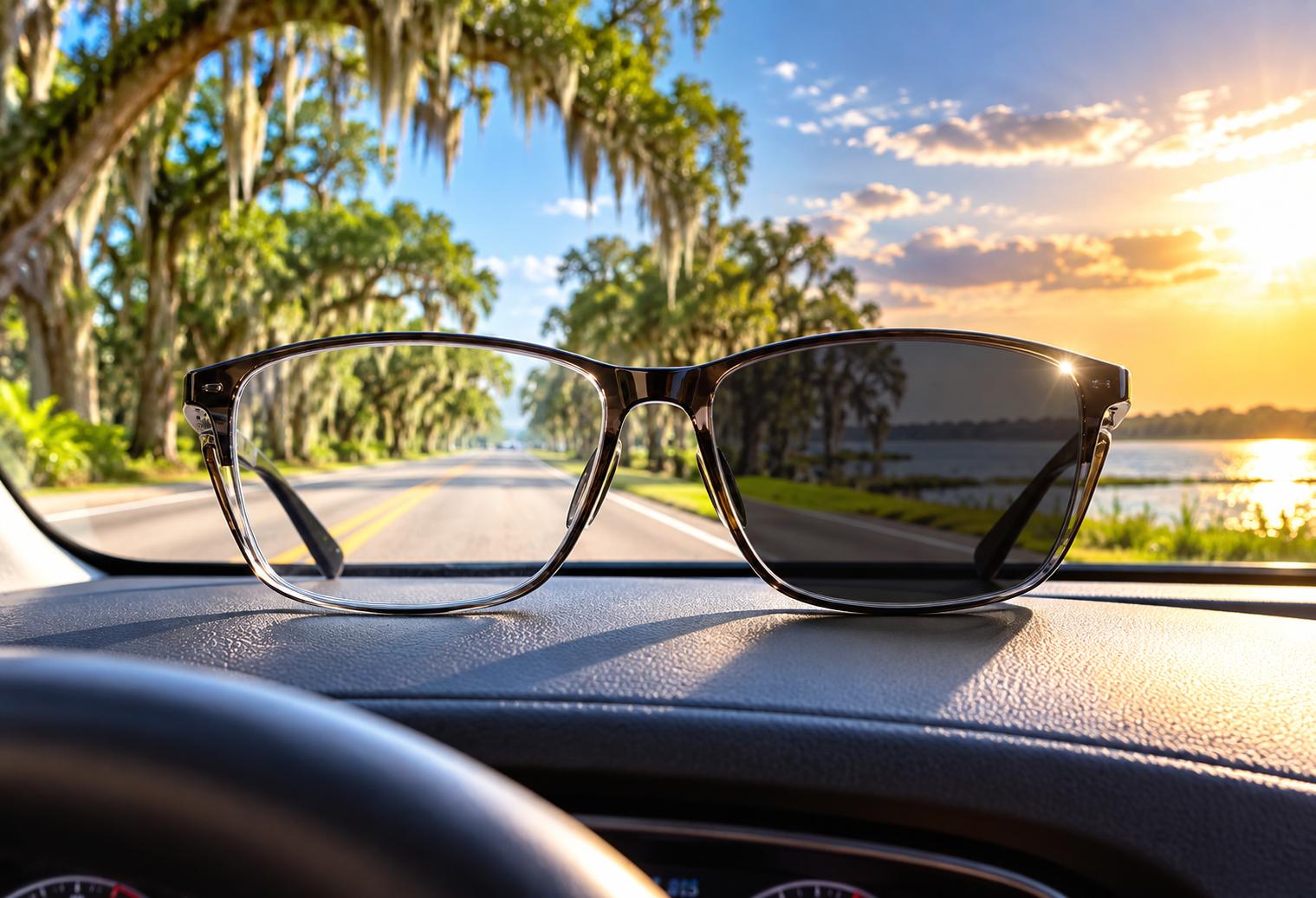
Standard versions may darken less inside a vehicle because automotive windshields filter much of the UV light used to activate the lenses.
Louisiana’s bright outdoor conditions can make light-responsive lenses useful when moving between indoor spaces, parking lots, sidewalks, and vehicles.
Drivers traveling around Tangipahoa Parish may still prefer dedicated prescription sunglasses when strong daytime glare is their primary concern.
Different photochromic lens technologies respond differently, so lens selection should account for driving habits rather than convenience alone.
What Are Photochromic Lenses?
Photochromic lenses are light-responsive eyeglass lenses that darken outdoors and return toward a clearer state when the activating light decreases. For Louisiana residents, that means one pair of glasses can provide clearer indoor vision and a darker tint outdoors without requiring a constant switch between prescription glasses and sunglasses.
The lenses contain photochromic molecules that react to light. Their darkness can vary based on the lens technology, temperature, available light, and other environmental conditions.
That flexibility can be particularly convenient for someone who spends the day moving between an office, vehicle, stores, job sites, and outdoor areas.
Tangi Vision Outlet can help local eyewear shoppers compare lens choices based on how and where they actually wear their glasses. After the first question of prescription and frame selection, we believe driving habits are an important part of the lens conversation.
Why Do Photochromic Lenses Matter for Louisiana Drivers?
Photochromic lenses matter for Louisiana drivers because changing light conditions are part of everyday life across Southeast Louisiana, but driving presents a special limitation for traditional photochromic technology. A lens that becomes noticeably dark outdoors may remain considerably lighter when you are sitting behind a UV-filtering windshield.
That distinction matters on routes through Hammond, Ponchatoula, Amite, and surrounding Tangipahoa Parish communities.
Bright open roads can create very different visual conditions from tree-covered streets or heavily developed areas. Drivers may also encounter rapidly changing conditions when afternoon clouds and rain move through the region.
The National Weather Service’s New Orleans/Baton Rouge office documents the area’s warm climate and substantial rainfall. Those regional conditions help explain why eyewear that works comfortably across changing environments can be valuable.
Do Photochromic Lenses Get Dark Inside a Car?
Standard photochromic lenses generally do not become as dark inside a car as they do outdoors because most windshields block much of the ultraviolet light that activates traditional photochromic lenses. Some newer lens technologies are designed to respond to a broader range of light and may provide more tint behind the windshield.
This is one of the most important points for Louisiana drivers to understand.
Someone who expects photochromic glasses to behave exactly like dark sunglasses during a midday drive may be disappointed with some lens types. Side windows, windshield characteristics, temperature, lens technology, and the direction of sunlight can also affect the experience.
For people who spend hours driving on I-12, I-55, US 51, or other area roads, discussing in-car performance before choosing lenses is worthwhile.
What Are the Signs Photochromic Lenses May Fit Your Lifestyle?
Photochromic lenses may fit your lifestyle if you frequently move between indoor and outdoor environments and value convenience more than having the darkest possible tint every time you drive. Louisiana residents should consider their daily routine, commute, outdoor exposure, and sensitivity to bright conditions before deciding.
They may be worth considering if you:
Regularly forget to bring separate sunglasses.
Frequently walk between indoor and outdoor spaces.
Want prescription eyewear that adjusts automatically outdoors.
Spend part of the workday outside but do not want to carry two pairs.
Frequently run errands around Hammond or other nearby communities.
Prefer a versatile everyday lens over constantly changing glasses.
Want UV protection incorporated into your everyday eyewear.
Drivers whose biggest concern is strong glare behind the windshield may want to compare other options as well.
When Should You Ask an Eye Care Professional About Lens Options?
You should discuss lens options with an eye care professional when glare, changing light, your prescription, or your driving routine makes it difficult to choose between photochromic lenses and dedicated sunglasses. Professional guidance can help you understand how different lens technologies behave rather than assuming every light-responsive lens performs identically.
At our optical shop, we can discuss how you expect to use your glasses and explain available lens options without assuming one solution fits every Louisiana driver.
Bring up details such as how long your commute is, whether you drive mostly during daylight, how much time you spend outdoors, and whether you already own prescription sunglasses.
What Common Louisiana Conditions Affect Your Choice?
Bright daylight, heat, frequent cloud changes, rain, and time spent transitioning between indoor and outdoor spaces can all influence how useful photochromic lenses feel in Louisiana. The best choice depends less on the label on the lens and more on the environments where you need comfortable vision throughout a typical day.
National Weather Service climate normals show average summer high temperatures around 90°F or higher in the Baton Rouge and New Orleans region. Temperature can affect the behavior of some photochromic technologies, making it another factor worth discussing when comparing lenses.
Regional driving also varies. A commute along I-12 may involve extended exposure to open daylight, while local trips through Hammond or Ponchatoula can involve repeated transitions between shaded streets, parking areas, stores, and other buildings.
How Can You Get Better Results From Photochromic Lenses?
You can get better results from photochromic lenses by choosing the technology according to your actual routine and understanding its limitations before ordering. Louisiana drivers should specifically ask about outdoor darkness, activation behind a windshield, fade-back time, lens color, coatings, and whether a separate pair of sunglasses would still be useful.
Keep your lenses clean so fingerprints, dust, and residue do not interfere with clear vision. Use lens-safe cleaning materials rather than household cleaners that may damage coatings.
Most importantly, do not choose photochromic lenses solely because you expect them to replace every type of sunglass. Their strength is convenience across changing environments. A dedicated sunglass can still be useful for certain driving and outdoor situations.
What Results Should You Expect From Photochromic Lenses?
You should expect photochromic lenses to provide automatic tint adjustment as lighting changes, not instant transformation into dark driving sunglasses under every condition. Outdoors, compatible lenses can become noticeably darker, while indoors they generally return toward a clearer state over time.
The exact speed and degree of change vary by product and environmental conditions.
For many Tangipahoa Parish residents, the main benefit is simplicity. You can leave a building wearing clear or nearly clear prescription glasses and have those same lenses respond as you step outdoors.
Behind the wheel, expectations should be different because of the windshield effect.
What Mistakes Should Louisiana Drivers Avoid?
Louisiana drivers should avoid assuming all photochromic lenses perform the same way or that any photochromic lens will completely replace prescription sunglasses behind the wheel. Comparing lens performance with your actual driving needs is a better approach than selecting lenses based only on their ability to change tint.
Mistake: Expecting maximum darkness inside the vehicle. Consequence: The lenses may stay lighter than expected behind a UV-blocking windshield. Better approach: Ask specifically about in-car activation before ordering.
Mistake: Choosing based only on outdoor appearance. Consequence: You may overlook how quickly the lenses clear when you return indoors. Better approach: Compare both activation and fade-back characteristics.
Mistake: Ignoring your primary driving conditions. Consequence: A convenient everyday lens may not address your strongest daytime glare concerns. Better approach: Discuss photochromic lenses alongside prescription sunglasses and other sun-lens options.
What Is a Common Local Driving Scenario?
A common local scenario is a Hammond-area resident leaving home in bright morning conditions, driving to work, moving between indoor and outdoor spaces during the day, and then encountering clouds or rain on the afternoon commute. Photochromic lenses can reduce the need to repeatedly change glasses during those transitions.
The limitation appears once the driver gets behind the windshield. Depending on the lens technology, the lenses may lighten even though conditions outside the vehicle still feel bright.
For that driver, the right solution could be photochromic lenses, dedicated prescription sunglasses, or having both available for different situations.
What Eyewear Options Can Address Changing Light and Driving Glare?
Eyewear options for changing Louisiana light include photochromic lenses, prescription sunglasses, polarized sun lenses, and other lens technologies designed for different levels of light exposure. The right solution depends on whether your priority is everyday convenience, strong sun protection, driving comfort, outdoor activities, or a combination of these needs.
We can help you compare available options based on your prescription and daily routine.
How Do Photochromic Lenses Compare With Prescription Sunglasses?
Photochromic lenses prioritize automatic adjustment and convenience, while prescription sunglasses provide a consistent sunglass tint and can be selected specifically for bright outdoor and daytime driving conditions. Neither option is automatically right for every Louisiana resident, so the practical choice depends on when and where you need the glasses.
Photochromic lenses reduce the need to carry a second pair during routine transitions. Prescription sunglasses require switching glasses, but they provide predictable tint behind a vehicle windshield.
Some residents choose both. They use photochromic lenses as their everyday glasses and keep prescription sunglasses available for long daytime drives or outdoor activities.
What Areas Can Local Drivers Consider These Lens Options For?
Drivers throughout Tangipahoa Parish and surrounding Southeast Louisiana communities can consider photochromic lenses when choosing everyday prescription eyewear. That includes residents traveling through Hammond, Ponchatoula, Amite, Independence, and nearby areas, as well as commuters regularly heading toward Baton Rouge, Covington, or the Northshore.
Your normal route and daily activities provide useful context when comparing lenses.
What Can Happen If You Choose the Wrong Lens for Your Driving Needs?
Choosing a lens without considering your driving needs can leave you with eyewear that is convenient in one environment but less suited to another. For example, a Louisiana driver may enjoy photochromic performance outdoors yet discover that the tint behind the windshield is lighter than expected during bright daytime travel.
That does not mean the lenses are defective. It may simply reflect how that particular technology activates.
Discussing your routine before ordering can help set realistic expectations and identify whether another sun-lens option should also be considered.
FAQ About Photochromic Lenses for Louisiana Drivers
Are photochromic lenses good for driving in Louisiana?
Photochromic lenses can be useful for Louisiana drivers who want convenient eyewear throughout the day, but standard versions may not become very dark behind a windshield. If driving glare is your main concern, compare their in-car performance with dedicated prescription sunglasses or other lens options before choosing.
Why don’t my photochromic lenses get very dark in the car?
Photochromic lenses may stay lighter in a car because the windshield blocks much of the ultraviolet light that activates traditional photochromic technology. The amount of tint can vary by product and conditions, which is why Louisiana drivers should ask specifically about behind-the-windshield performance.
Are photochromic lenses useful in Hammond?
Photochromic lenses can be useful in Hammond for residents who frequently move between indoor and outdoor environments throughout the day. They can be especially convenient for errands, work, and other activities involving repeated light changes, although drivers should understand that windshield performance can differ from full outdoor activation.
Will Louisiana heat affect photochromic lenses?
Temperature can influence the behavior of some photochromic lens technologies, including how dark they become or how quickly they change. Because Southeast Louisiana experiences long periods of warm weather, it is useful to ask how the specific lens product you are considering performs under warmer conditions.
Are photochromic lenses the same as polarized sunglasses?
No, photochromic and polarized describe different lens features. Photochromic lenses change tint in response to light, while polarization is designed to reduce certain types of reflected glare. Louisiana drivers comparing sun protection should ask which features are available and whether they match their driving and outdoor activities.
Should Tangipahoa Parish commuters own separate sunglasses?
Separate sunglasses may be useful for Tangipahoa Parish commuters who regularly experience strong daytime glare and want a consistently dark lens behind the windshield. Photochromic lenses can still serve as convenient everyday eyewear, so some drivers prefer having both options rather than expecting one pair to cover every situation.
How quickly do photochromic lenses become clear indoors?
Photochromic lenses generally begin returning toward a clearer state after the activating light is reduced, but the exact transition time varies with the lens technology and environmental conditions. If quick transitions matter because you frequently enter stores, offices, or other buildings, ask about fade-back performance before selecting your lenses.
Can I get photochromic lenses with my prescription?
Photochromic technology is available with many prescription lens options, although suitability depends on the prescription, lens material, frame, and products available. We can review your eyewear needs and discuss which options are appropriate rather than assuming a particular photochromic product will work for every prescription.
Find Eyewear That Fits the Way You Drive in Louisiana
The best lens is one that works with your prescription, routine, and expectations. At Tangi Vision Outlet, we can help you understand your options so you know what to expect from your eyewear indoors, outdoors, and behind the wheel.
If reading a menu is getting harder but your distance vision still needs correction, one pair of glasses may need to handle more than one job. For adults in Hammond, LA, that can lead to a common question when choosing new eyewear: should you get progressive lenses or bifocals?
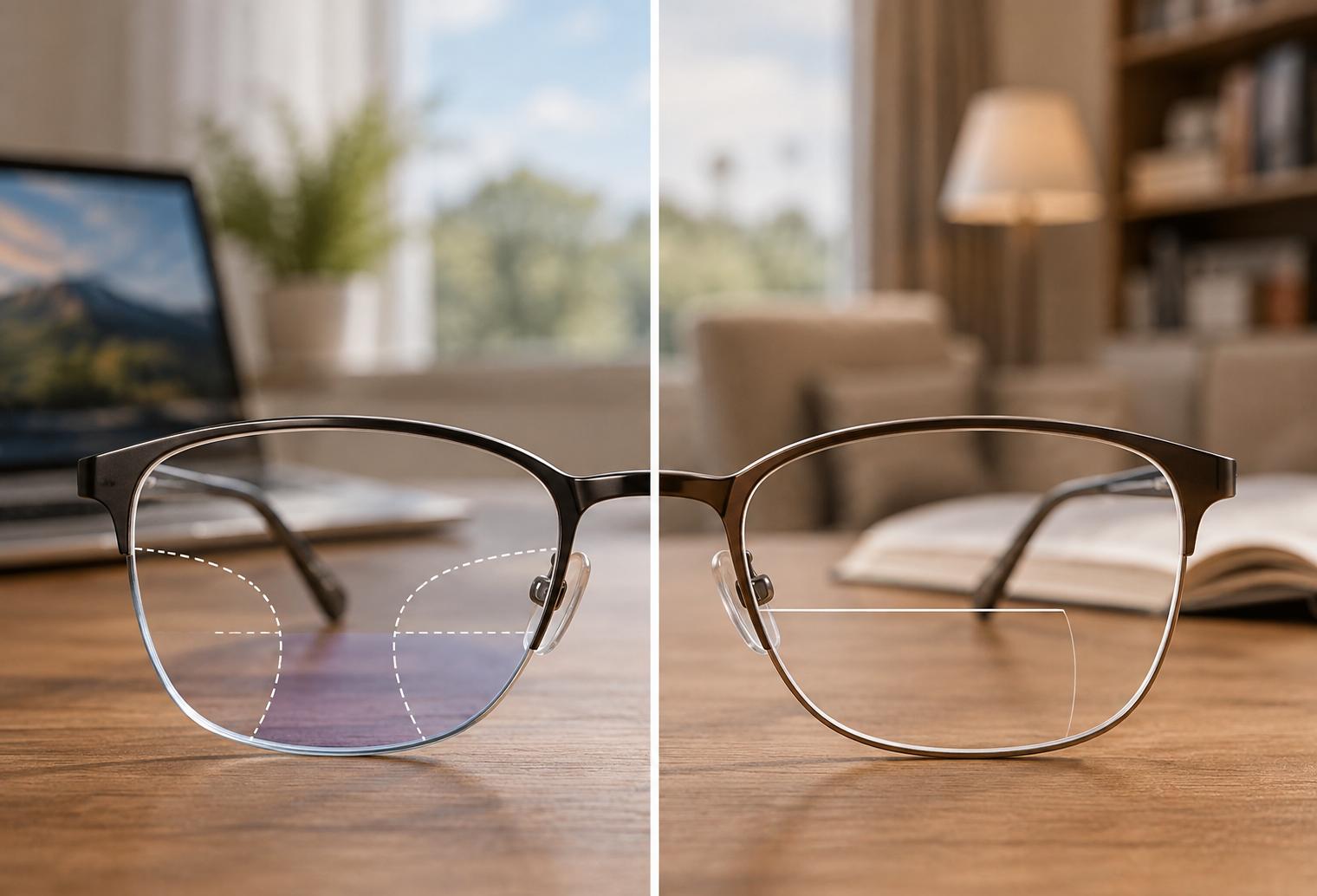
Progressive lenses provide a gradual change in prescription for distance, intermediate, and near vision without a visible dividing line. Bifocals use two distinct viewing areas, typically one for distance and another for near tasks. Both can help with presbyopia, the age-related loss of near focusing ability, but they provide noticeably different viewing experiences.
What Hammond Eyeglass Wearers Should Know
Progressive lenses provide multiple viewing distances with a gradual transition between powers.
Bifocals have separate distance and near-vision areas, usually divided by a visible line.
Progressive lenses can be especially useful when shifting between driving, computer work, and reading throughout the day.
Bifocals may appeal to Hammond residents who prefer clearly defined distance and reading zones.
Proper measurements and frame selection matter because the position of each viewing area affects how comfortably you use multifocal lenses.
Why Does the Difference Between Progressive Lenses and Bifocals Matter?
The difference between progressive lenses and bifocals matters because each design changes how you move between distance and near vision during everyday activities. Progressive lenses add an intermediate range between far and near vision, while traditional bifocals provide two distinct powers.
That distinction can become noticeable during a normal day around Tangipahoa Parish. Driving along I-12 or US 190 requires clear distance vision, while checking the dashboard involves an intermediate or closer viewing distance. At work, you may alternate between a computer screen, paperwork, and people across the room.
Tangi Vision Outlet helps local customers explore eyewear options based on their prescriptions and everyday visual needs. We can explain how different lens designs work and help you consider which option makes sense for your routine.
How Do Progressive Lenses Work?
Progressive lenses work by gradually changing lens power from the upper portion of the lens toward the lower portion, providing distance, intermediate, and near viewing areas. Unlike bifocals, there is no visible line separating those areas, so wearers move their gaze through different portions of the lens for different distances.
The intermediate zone is one of the biggest practical differences. It can be useful for computer screens, vehicle dashboards, store shelves, and other objects that are neither far away nor held at normal reading distance.
For someone who spends the morning working at a computer, drives across Hammond in the afternoon, and reads at home in the evening, that broader range can be convenient.
How Do Bifocals Work?
Bifocals work by placing two different lens powers in the same eyeglass lens, typically providing distance correction above and near correction below. The two areas have a defined transition rather than the gradual progression found in progressive lenses.
Looking straight ahead generally uses the distance portion. Looking downward through the reading segment allows the wearer to use the near prescription.
Some people appreciate this clearly defined separation because they know exactly where to look for close work. The tradeoff is that traditional bifocals do not provide the same gradual intermediate range available with progressives.
What Signs Suggest You May Need Multifocal Lenses?
Common signs that multifocal lenses may be worth discussing include increasing difficulty with close-up tasks while you still need clear vision at other distances. Presbyopia develops as the eye loses some of its ability to focus on nearby objects with age, making reading and other close work more difficult.
Signs can include:
Holding menus, books, or your phone farther away to see clearly
Needing more comfortable viewing for both near and distance tasks
Removing your current glasses to read
Switching frequently between reading glasses and distance glasses
Experiencing difficulty focusing on close print
Finding that computer distance falls awkwardly between your current viewing zones
Wanting one pair of glasses to cover more of your normal daily activities
A change in vision should not automatically be assumed to be presbyopia. Appropriate eye care can determine your prescription and whether another vision or eye-health issue needs attention.
Which Lens Is Better for Driving Around Hammond?
Progressive lenses may offer an advantage for drivers who want distance, intermediate, and near correction in one lens, while bifocals can still provide clear distance and close viewing zones. The right choice depends on your prescription, visual needs, previous eyewear experience, and comfort with each design.
Think about the range of distances involved during a drive through Hammond or toward Ponchatoula, Albany, or Robert. You may look far down the road, glance at the instrument panel, and read something closer after parking.
Progressives provide different powers across that range. Bifocals create a more distinct transition between far and near vision.
Any new multifocal lens can require some adjustment, so give yourself time to learn where the clearest viewing areas are before judging the new eyewear.
What Are the Most Common Reasons People Choose One Over the Other?
People commonly choose progressive lenses for their wider range of viewing distances and line-free appearance, while bifocals are often chosen for their distinct distance and reading areas. Neither design is automatically right for every eyeglass wearer.
Progressive lenses may make sense when:
You regularly use computers or other intermediate-distance objects, want one pair of glasses for several distances, or prefer lenses without a visible bifocal line.
Bifocals may make sense when:
Your primary needs are distance and close reading, you prefer a clearly defined near segment, or you are already comfortable using bifocals.
Daily habits matter. Someone working on a computer near Southeastern Louisiana University may have different visual demands than someone whose day consists primarily of driving and close paperwork.
How Can You Make Adjusting to New Multifocal Lenses Easier?
Adjusting to multifocal lenses is usually easier when you wear them consistently and learn to point your head and eyes toward the appropriate viewing zone. Progressive lenses in particular may feel different at first because different portions of the lens are designed for different distances.
Wear your new glasses as directed rather than constantly switching back to an older prescription. When looking at something, move your head naturally until you find the clearest area of the lens.
If something consistently seems wrong rather than simply unfamiliar, ask for help. Frame position, measurements, prescription details, and lens selection can all influence your experience.
What Mistakes Should Hammond Eyeglass Shoppers Avoid?
The biggest mistakes when comparing progressive lenses and bifocals are choosing based only on appearance or price and ignoring how the glasses will actually be used. Your normal viewing distances and daily routine should be central to the decision.
Mistake: Choosing progressives simply because they do not have a visible line. Consequence: The lens design may not match your priorities. Better approach: Consider your work, driving, reading, and computer habits first.
Mistake: Assuming bifocals and progressives provide the same viewing experience. Consequence: You may be surprised by the intermediate range or transition between powers. Better approach: Understand where each lens places distance, intermediate, and near correction.
Mistake: Giving up immediately on unfamiliar multifocal glasses. Consequence: You may not allow enough time to become accustomed to using different lens zones. Better approach: Follow the fitting guidance you receive and ask for assistance if problems persist.
A Common Hammond Scenario
A common local scenario is an adult who sees well enough at distance with prescription glasses but increasingly struggles with a phone, restaurant menu, paperwork, or computer screen. Switching glasses throughout the day becomes inconvenient, so multifocal lenses become worth considering.
Imagine commuting along I-12, working at a computer for several hours, stopping somewhere near downtown Hammond, and reading on your phone later that evening. Those tasks involve several viewing distances.
A bifocal could address far and near correction. A progressive lens could add a gradual intermediate range that may be useful for the computer and dashboard.
The best option depends on the individual prescription and how those glasses will actually be used.
What Eyewear Options Can Help With Presbyopia?
Eyewear options for presbyopia include reading glasses, bifocals, progressive lenses, and other forms of vision correction depending on the individual’s needs. The goal is to match correction to the distances that matter most in everyday life.
At Tangi Vision Outlet, we can help explain available eyewear choices and how lens and frame selection relate to your prescription and routine.
Progressive Lenses vs. Bifocals: Which Should You Choose?
Choose progressive lenses if you value a gradual range from distance through intermediate to near vision, while bifocals may be preferable if you want two clearly defined viewing areas. Your prescription, work environment, reading habits, driving needs, and previous experience with multifocal eyewear should guide the decision.
Consideration
Progressive Lenses
Bifocals
Distance vision
Yes
Yes
Intermediate zone
Yes
Not a dedicated gradual zone
Near vision
Yes
Yes
Visible dividing line
No
Typically yes
Transition between powers
Gradual
Distinct
Computer-focused routines
Intermediate zone may help
May be less versatile for intermediate distance
Rather than asking which design is universally better, ask which one better fits the distances you use most.
Where Can Local Residents Explore Their Eyewear Options?
Residents of Hammond and surrounding Tangipahoa Parish communities can compare lens options based on their individual prescriptions and everyday visual needs. People traveling from nearby Ponchatoula, Albany, Robert, or other parts of the Northshore region may have many of the same questions about choosing multifocal eyewear.
The important part is selecting glasses around your actual routine rather than simply choosing the lens type you have heard about most often.
What Happens If You Keep Struggling With the Wrong Eyewear?
Continuing to use eyewear that no longer meets your visual needs can make routine tasks unnecessarily difficult and may leave you frequently switching glasses or struggling at certain distances. Changes in vision also deserve appropriate evaluation rather than simply being dismissed as part of getting older.
If reading, computer work, or transitions between viewing distances have become frustrating, it may be time to revisit your prescription and eyewear choices.
Frequently Asked Questions About Progressive Lenses and Bifocals
Are progressive lenses better than bifocals?
Progressive lenses are not automatically better than bifocals, but they provide distance, intermediate, and near correction through a gradual change in lens power. Bifocals provide two distinct viewing zones. For Hammond wearers, the better choice depends on prescription needs, daily activities, and personal preference.
Do progressive lenses have a bifocal line?
No, progressive lenses do not have the visible dividing line associated with traditional bifocals. Their prescription changes gradually through different areas of the lens. This line-free design is one reason some Tangipahoa Parish eyeglass wearers prefer progressives, although appearance should not be the only factor in choosing lenses.
Can I use progressive lenses for computer work?
Yes, progressive lenses include an intermediate viewing area that can be useful for computer-distance tasks. The exact experience depends on the lens design, prescription, fitting, and working distance. Hammond residents who spend significant portions of the day at a computer should mention those habits when discussing eyewear options.
Are bifocals good for driving?
Bifocals can provide distance correction for looking at the road and a near segment for closer tasks. Because driving also involves intermediate-distance objects such as the dashboard, some Hammond drivers may prefer the broader range available from progressive lenses. Individual prescriptions and visual requirements should guide the choice.
Why do progressive lenses feel different at first?
Progressive lenses can feel different because lens power changes across the lens rather than switching between two fixed areas. Wearers need to learn which areas provide the clearest view at different distances. Consistent use can help with adaptation, while persistent difficulties should be discussed with an eye-care or eyewear professional.
Can I switch from bifocals to progressives?
Yes, many people can consider switching from bifocals to progressive lenses when their prescription and visual needs make progressives appropriate. The viewing experience will be different, so an adjustment period may be necessary. If you are considering a change in Hammond, discuss how you use your glasses throughout a typical day.
Do I need multifocal lenses just because close-up vision is getting blurry?
No, blurry near vision should not automatically be self-diagnosed as a need for multifocal lenses. Presbyopia commonly affects near focusing with age, but vision changes can have different causes. An appropriate vision assessment can identify your prescription needs and help determine which form of correction is suitable.
Where can I compare progressive lenses and bifocals in Hammond, LA?
Tangi Vision Outlet can help local eyewear shoppers understand the practical differences between progressive lenses and bifocals. We can discuss how lens options relate to your prescription, reading habits, computer use, driving, and other everyday visual demands so you can make a more informed eyewear choice.
Find a Better Fit for Your Everyday Vision in Hammond
Choosing between progressives and bifocals is easier when you focus on how you actually use your eyes throughout the day. Whether you are reading, working at a screen, driving around Tangipahoa Parish, or moving between all three, we can help you explore eyewear options designed around your prescription and routine.
Louisiana’s weather is known for its heat, humidity, sudden storms, and long allergy seasons. While most people think about these conditions affecting their comfort or outdoor plans, they can also have a significant impact on eye health. For residents in Hammond and across Tangipahoa Parish, changing weather patterns can contribute to dry eyes, allergies, irritation, and even changes in vision.
Quick Answer
Yes, Louisiana weather can affect your eyes and vision in several ways. High humidity, airborne pollen, UV exposure, heavy rainfall, and seasonal weather changes can all contribute to eye irritation, allergies, dryness, blurred vision, and increased discomfort for contact lens wearers. Understanding these local environmental factors can help you better protect your vision throughout the year.
What Local Readers Should Know
Louisiana’s long allergy season often increases itchy, watery, and irritated eyes.
Strong UV exposure during sunny days around Hammond can contribute to long-term eye damage if proper protection is not used.
Sudden weather changes and Gulf Coast storms may worsen dry eye symptoms for some people.
High humidity can make contact lenses less comfortable, especially when combined with outdoor heat and perspiration.
Regular comprehensive eye exams help identify weather-related irritation while also detecting unrelated vision problems early.
Why This Matters Locally
Residents of Hammond experience a climate that differs from many other parts of the country. Located in Tangipahoa Parish and within driving distance of Lake Pontchartrain, Ponchatoula, Albany, Independence, and Amite, our area experiences warm temperatures for much of the year, frequent rainfall, and extended pollen seasons.
These conditions create an environment where seasonal eye irritation is common. While many symptoms are temporary, recurring discomfort should never be ignored because it may indicate dry eye disease, allergies, or another condition requiring professional evaluation.
At Tangi Vision Outlet, we regularly help local patients understand how environmental conditions affect their vision and recommend personalized solutions for long-term eye comfort.
Local Weather Patterns That Can Affect Your Eyes
Louisiana’s climate creates several environmental conditions that commonly affect eye health. Local field observations show that patients often notice changes in comfort during periods of high pollen, elevated humidity, or rapidly changing weather.
Some of the biggest local factors include:
High Pollen Levels
Spring and fall bring tree, grass, and weed pollen throughout Tangipahoa Parish. These allergens frequently trigger:
Red eyes
Itchy eyelids
Excessive tearing
Burning sensations
Puffy eyes
Intense Sunlight and UV Exposure
Even on cooler days, ultraviolet rays remain strong across southeast Louisiana. Long-term UV exposure has been associated with increased risks of cataracts and other eye conditions, making quality sunglasses an important part of everyday eye protection.
Heat and Humidity
Although humidity often sounds beneficial, prolonged exposure to heat combined with air conditioning can actually worsen dry eye symptoms. Constant movement between humid outdoor air and cool indoor environments may reduce tear stability.
Wind Before and After Storms
Thunderstorms frequently bring gusty winds that carry dust, pollen, and other airborne particles. These irritants can easily reach the surface of the eye, causing temporary discomfort.
How Louisiana Weather Impacts Daily Vision
Weather-related eye irritation can interfere with everyday activities. Many local residents notice symptoms while:
Driving during bright afternoon sun
Spending time outdoors at sporting events
Gardening
Fishing near local waterways
Working outside during the summer
Wearing contact lenses throughout the day
Even mild irritation may reduce comfort during reading, computer work, or nighttime driving.
Warning Signs Your Eyes May Be Reacting to the Weather
Weather-related eye problems often develop gradually. Common warning signs include:
Persistent itching
Red or bloodshot eyes
Watery eyes
Burning or stinging sensations
Blurry vision that improves after blinking
Light sensitivity
Feeling like something is in your eye
Contact lenses becoming uncomfortable sooner than usual
If symptoms persist beyond seasonal changes or become painful, it is important to schedule an eye examination.
When to Schedule an Eye Exam
Weather-related irritation is often manageable with proper care, but recurring symptoms deserve professional attention. While occasional dryness or allergy symptoms may improve with simple measures, ongoing discomfort, vision changes, severe redness, or eye pain should always be evaluated by an eye care professional.
A comprehensive eye exam can determine whether symptoms are caused by allergies, dry eye disease, an infection, or another underlying condition.
Common Local Causes of Weather-Related Eye Problems
Several environmental factors commonly affect residents throughout the Hammond area.
Seasonal Allergies
Louisiana’s extended growing season allows pollen to remain present for much of the year.
Extended Outdoor Exposure
Many residents spend significant time outdoors for work or recreation, increasing UV exposure and contact with airborne irritants.
Indoor Air Conditioning
Air conditioning provides welcome relief from summer heat but may also contribute to dry indoor air that affects tear production.
Contact Lens Wear
Contact lenses can become less comfortable during periods of heavy pollen, excessive perspiration, or prolonged dryness.
Prevention and Maintenance Tips
Protecting your eyes starts with simple daily habits.
Wear sunglasses that block UVA and UVB rays.
Use artificial tears if recommended by your eye care provider.
Wash pollen from your face after spending time outdoors.
Replace contact lenses according to their recommended schedule.
Stay hydrated throughout hot Louisiana summers.
Wear protective eyewear during yard work or outdoor projects.
Schedule regular comprehensive eye exams even if your vision seems stable.
What Results Can You Expect?
Managing weather-related eye irritation often leads to improved comfort, clearer vision, and healthier eyes. While seasonal conditions cannot be controlled, the right combination of protective eyewear, proper eye care, and personalized treatment recommendations can significantly reduce recurring symptoms.
Common Mistakes to Avoid
Ignoring recurring irritation
Persistent symptoms may indicate more than seasonal allergies.
Using redness-relief drops too often
Frequent use may mask symptoms rather than address the underlying cause.
Skipping sunglasses on cloudy days
Ultraviolet rays still penetrate cloud cover.
Continuing to wear uncomfortable contact lenses
Removing lenses and consulting your eye care provider is often the better choice when discomfort develops.
A Common Local Scenario
Imagine spending the morning at a local festival in Ponchatoula before heading back to Hammond. After several hours outdoors, your eyes become itchy, watery, and sensitive to light. While many people assume these symptoms are simply allergies, they may also involve dry eye, UV exposure, or irritation from airborne particles. A professional eye examination can identify the true cause and recommend the most effective treatment.
Related Eye Care Services
Several services can help address weather-related vision concerns, including:
Identifies the underlying cause rather than simply treating symptoms
Serving Hammond and Nearby Communities
We proudly serve patients throughout Hammond as well as nearby communities including Ponchatoula, Albany, Independence, Tickfaw, Amite, and other areas throughout Tangipahoa Parish. Local knowledge helps us understand the environmental factors that affect vision throughout southeast Louisiana.
The Cost of Ignoring Eye Symptoms
Delaying treatment may allow minor irritation to become a larger problem. Persistent dryness, untreated allergies, or changes in vision can affect work, driving, school, and daily comfort. Regular eye care helps identify concerns early and supports long-term eye health.
Yes. Although humidity can help reduce evaporation, constant movement between humid outdoor conditions and air-conditioned indoor spaces may contribute to dry eye symptoms for many Louisiana residents.
Why do my eyes itch more during spring in Hammond?
Spring pollen levels throughout Hammond and surrounding communities often increase allergic eye symptoms, including itching, redness, and excessive tearing.
Should I wear sunglasses even on cloudy days in Louisiana?
Yes. Ultraviolet rays can pass through cloud cover, so wearing quality UV-protective sunglasses helps protect your eyes throughout the year.
Can weather affect contact lens comfort?
Yes. Heat, pollen, perspiration, and changing humidity levels may make contact lenses feel less comfortable during certain times of the year.
How often should I have an eye exam in Hammond?
Most adults benefit from regular comprehensive eye exams based on their age, vision needs, and eye health history. Your eye doctor can recommend an appropriate schedule.
When should I seek professional care for eye irritation?
Persistent discomfort, vision changes, significant redness, pain, or symptoms that do not improve with basic care should be evaluated by an eye care professional.
Protect Your Vision Through Every Louisiana Season
Weather conditions in southeast Louisiana can affect your eyes in many different ways, but the right preventive care and regular eye exams can help keep your vision healthy throughout the year. Whether you are experiencing seasonal discomfort or simply want to stay proactive about your eye health, we are here to help.
Schedule Your Eye Exam with Tangi Vision Outlet
Healthy vision starts with personalized care from a local team that understands the unique environmental conditions affecting Hammond and surrounding communities.
Living in Hammond means spending time driving along I-12, enjoying outdoor events at Zemurray Park, or working long hours in front of digital screens. If your vision no longer feels as sharp during these everyday activities, it may be more than simple eye fatigue. An outdated eyeglass prescription can gradually affect your comfort, productivity, and overall eye health.
Quick Answer
The most common signs that it may be time to update your eyeglass prescription include blurry vision, headaches, eye strain, difficulty seeing at night, frequent squinting, and needing to hold reading material closer or farther away. These changes often develop gradually, making routine comprehensive eye exams an important part of maintaining clear vision.
What Local Readers Should Know
Even small prescription changes can make driving around Hammond and nearby communities more comfortable and safer.
Louisiana’s bright sunlight and changing weather conditions can make vision problems more noticeable, especially when glare is involved.
Increased screen time at work or school can highlight prescription changes that may not have been obvious before.
Adults should schedule regular comprehensive eye exams even if they believe their vision has stayed the same.
Children and teens often experience vision changes as they grow, making routine eye exams especially important.
Why This Matters Locally
An updated eyeglass prescription can make everyday life more comfortable for residents throughout Hammond and Tangipahoa Parish. Whether you’re commuting to Southeastern Louisiana University, shopping downtown, or traveling between Ponchatoula, Albany, and Independence, clear vision supports safe driving, reading, work, and recreational activities.
Louisiana’s abundant sunshine can also increase glare, making outdated prescriptions more noticeable. Combined with long hours on computers and smartphones, many local residents discover their vision needs have changed sooner than expected.
At Tangi Vision Outlet, we help individuals and families determine whether their current prescription still meets their daily visual needs through comprehensive eye examinations and personalized eyewear solutions.
Local Field Observations
Eye care professionals commonly see patients who assume blurry vision is simply part of getting older or spending too much time on digital devices. In many cases, the underlying issue is a prescription that has gradually changed over time.
Many people don’t notice these changes because their eyes adapt slowly. They often realize how much their vision has declined only after receiving updated lenses.
How an Outdated Prescription Affects Daily Life
An outdated prescription can impact much more than reading fine print. It may affect nearly every part of your daily routine.
Common impacts include:
Increased eye fatigue during computer work
Difficulty recognizing road signs while driving
More glare from headlights during nighttime driving
Reduced productivity at work
Less enjoyment while reading books or using mobile devices
Difficulty following classroom presentations or meetings
For many Hammond residents, these challenges become more apparent during long workdays or extended drives across Tangipahoa Parish.
Warning Signs Your Prescription May Need Updating
Several common symptoms suggest it may be time for a comprehensive eye exam.
1. Blurry Vision
If objects at a distance or close up no longer appear sharp, your prescription may have changed.
2. Frequent Headaches
Eyes working harder to focus can contribute to recurring headaches, especially after reading or using digital devices.
3. Eye Strain
Tired, sore, or uncomfortable eyes after normal activities often indicate your lenses are no longer providing optimal correction.
4. Squinting More Often
Squinting temporarily improves focus by reducing incoming light, but relying on it regularly may signal changing vision.
5. Difficulty Driving at Night
Halos around lights, increased glare, or trouble reading street signs after dark can all indicate that your prescription should be evaluated.
6. Holding Reading Material at Different Distances
If you constantly adjust books, menus, or your phone to see clearly, your near vision may have changed.
7. Frequently Cleaning Your Glasses Without Improvement
Many people assume blurry vision is caused by dirty lenses. If cleaning them doesn’t help, your prescription may be the issue.
When to Schedule an Eye Exam
If you’re experiencing any of these symptoms consistently, it’s time to schedule a professional eye examination rather than simply adjusting to poorer vision.
While occasional eye fatigue after a long day may improve with rest, ongoing symptoms deserve evaluation. A comprehensive exam can determine whether your prescription has changed or if another eye health concern requires attention.
Common Reasons Prescriptions Change
Several factors naturally affect vision over time.
Age-Related Vision Changes
Many adults begin noticing changes in their ability to focus on nearby objects during their 40s and beyond.
Increased Digital Screen Use
Working on computers, tablets, and smartphones for extended periods can make prescription changes more noticeable.
Children’s Growth
Children’s eyes continue developing, making routine eye exams important throughout their school years.
General Eye Health
Changes in overall eye health can also influence vision and prescription needs.
Protecting Your Vision
Although natural vision changes cannot always be prevented, several healthy habits can support comfortable vision.
Schedule routine comprehensive eye exams.
Wear sunglasses that provide UV protection while outdoors.
Follow the 20-20-20 rule during prolonged screen use.
Keep your eyeglasses clean and in good condition.
Report sudden vision changes to an eye care professional promptly.
These simple habits help many residents throughout the Northshore maintain comfortable vision year-round.
What You Can Expect From an Updated Prescription
Most patients notice improvements shortly after receiving new lenses.
Possible benefits include:
Sharper distance vision
Easier reading
Reduced eye strain
More comfortable computer use
Improved nighttime driving
Better overall visual comfort
Adjusting to a new prescription may take a few days, particularly if the changes are significant.
Common Mistakes People Make
Waiting Too Long
Ignoring blurry vision often leads to unnecessary eye strain. Scheduling an eye exam sooner allows for easier correction.
Assuming Headaches Are Unrelated
Vision changes frequently contribute to headaches, especially after reading or prolonged computer work.
Using Old Glasses as a Backup Indefinitely
Older prescriptions may no longer provide accurate correction and can reduce visual comfort.
Purchasing Glasses Without a Comprehensive Exam
An updated prescription should come from a complete eye examination that also evaluates overall eye health.
A Common Local Scenario
Imagine a Hammond resident who spends the day working on a computer before driving home after sunset. They begin noticing more glare from headlights, struggle to read road signs, and experience headaches several evenings each week.
Initially, they assume they’re simply tired. After scheduling a comprehensive eye exam, they discover their prescription has changed slightly. With updated lenses, driving becomes clearer, headaches decrease, and daily tasks become more comfortable.
Services That Help
Several professional eye care services can determine whether your prescription should be updated.
Vision may continue to decline and eye strain may worsen
Schedule a Comprehensive Eye Exam
Identifies prescription changes and evaluates eye health
Requires an appointment
Update Prescription and Lenses
Improved comfort and clearer vision
Adjustment period may be needed
Serving Hammond and Nearby Communities
We proudly serve patients throughout Hammond as well as nearby communities including Ponchatoula, Independence, Tickfaw, Robert, Natalbany, and other areas across Tangipahoa Parish. Convenient local eye care makes it easier to keep your vision at its best.
The Cost of Waiting
Delaying an updated prescription can lead to unnecessary discomfort, reduced productivity, increased eye strain, and greater difficulty performing everyday tasks like driving or reading.
Addressing vision changes early often makes daily activities more comfortable while helping ensure your eyes receive appropriate professional care.
How often should adults in Hammond have their eyes examined?
Most adults benefit from regular comprehensive eye exams, even if they don’t notice vision changes. Your eye care professional can recommend a schedule based on your age, health, and vision needs.
Can screen time affect my eyeglass prescription?
Screen use doesn’t necessarily change your prescription, but it can increase eye fatigue and make existing prescription changes more noticeable.
Why does nighttime driving become harder?
Difficulty driving after dark often results from increased glare, reduced contrast, or prescription changes that become more noticeable in low-light conditions.
Can children in Tangipahoa Parish outgrow their glasses?
Children’s prescriptions commonly change as they grow, making regular eye exams important throughout childhood and adolescence.
Are headaches always caused by vision changes?
No. Headaches have many possible causes, but persistent headaches combined with blurry vision or eye strain should be evaluated during a comprehensive eye exam.
How do I know if I need new glasses or just new lenses?
A comprehensive eye examination will determine whether your prescription has changed and help identify the best solution for your visual needs.
Keep Seeing Life Clearly
Vision changes often happen gradually, but recognizing the warning signs early can make a significant difference in your daily comfort and quality of life. Regular eye exams help ensure your prescription keeps pace with your changing vision while supporting your long-term eye health.
Ready for Clearer Vision in Hammond?
Our team is here to help you see comfortably with personalized eye care and quality eyewear solutions.
Most people only think about their vision when something feels wrong. A headache that won’t quit, blurry text on a screen, or squinting at road signs might finally push someone to book an appointment. But waiting for symptoms is one of the biggest mistakes you can make when it comes to your eye health. Scheduling routine eye exams on a consistent basis is one of the most proactive things you can do for your overall well-being, and if you live in the area, finding a trusted optometrist in Hammond, LA is easier than you might think.
The real question most people have is simple: how often should you actually go? The answer depends on your age, health history, and risk factors, but there are general guidelines that apply to nearly everyone. Understanding those guidelines can help you stay ahead of conditions that develop silently and cause lasting damage before you ever notice a single symptom.
Why Routine Eye Exams Matter More Than You Think
There is a common misconception that eye exams are only necessary when your vision seems off. In reality, comprehensive eye exams in Hammond, LA serve a purpose far beyond checking whether you need glasses or updating a prescription. Your eyes can reveal signs of serious systemic conditions like diabetes, high blood pressure, and even certain neurological disorders, often before other symptoms appear elsewhere in the body.
An optometrist in Hammond, LA does not just assess how clearly you can see a chart on the wall. A thorough exam evaluates the health of your retina, optic nerve, cornea, and surrounding structures. Conditions like glaucoma, macular degeneration, and diabetic retinopathy can develop gradually without causing obvious vision changes in the early stages. By the time you notice something is wrong, significant damage may already have occurred. Routine eye exams give your doctor the opportunity to catch these issues early, when treatment is most effective and outcomes are far better.
Beyond disease detection, regular exams also help you maintain visual comfort in your daily life. Eye strain from digital screens, difficulty driving at night, and persistent headaches are all issues that a comprehensive exam can address. Keeping up with eye exams in Hammond, LA means you are not just protecting your sight, you are also improving your quality of life.
Recommended Frequency by Age Group
Age plays a major role in how often you should be scheduling eye exams. The needs of a toddler are very different from those of a working adult or a senior citizen, and following age-appropriate guidelines ensures that problems are caught at the right time.
For infants and young children, early eye exams are critical. Vision problems in childhood can interfere with learning, reading, and development. Pediatric eye issues like amblyopia (lazy eye) and strabismus (crossed eyes) are far more treatable when identified early. Children should have their first eye exam around six months of age, followed by another around age three, and again before starting school. Once in school, annual eye exams are recommended because vision can change rapidly during these years.
For adults between the ages of 18 and 39 with no known risk factors, a comprehensive eye exam every one to two years is typically sufficient. However, even within this group, more frequent visits may be warranted. If you wear contact lenses or eyeglasses, an annual eye exam helps ensure your prescription stays accurate and your lenses are not contributing to discomfort or eye health issues.
Adults aged 40 and older should begin scheduling annual eye exams without exception. This is the age range when presbyopia (difficulty focusing on close objects) commonly begins, and when the risk for conditions like glaucoma, cataracts, and macular degeneration starts to increase meaningfully. For anyone over 60, annual visits to an optometrist in Hammond, LA are strongly encouraged, as age-related eye diseases become significantly more prevalent.
Risk Factors That May Require More Frequent Visits
For some individuals, the standard schedule of routine eye exams is not enough. Certain health conditions and lifestyle factors elevate the risk of developing eye disease, and those individuals should be visiting their eye doctor more frequently, sometimes every six months rather than once a year.
Diabetes is one of the most significant risk factors for eye disease. Diabetic retinopathy is a leading cause of blindness among working-age adults, and it progresses without symptoms in its early stages. Anyone with Type 1 or Type 2 diabetes should be scheduling comprehensive eye exams in Hammond, LA at least once a year, and in some cases more often depending on how well blood sugar is managed.
A family history of glaucoma significantly raises your personal risk, as glaucoma has a strong genetic component. High blood pressure, thyroid disease, and autoimmune conditions like lupus can all affect your eyes as well. If you take medications that carry known ocular side effects, such as certain antimalarial drugs or corticosteroids, your optometrist may want to monitor your eyes more closely.
People who spend long hours on computers or other digital devices may also benefit from more frequent visits, particularly if they experience chronic digital eye strain. While this does not typically cause permanent damage, it can significantly affect comfort and productivity, and an eye doctor can recommend strategies and corrective options that help.
What to Expect During a Comprehensive Eye Exam
If it has been a while since your last visit, or if you have never had a full exam as an adult, knowing what to expect can make the experience feel less intimidating. Eye exams in Hammond, LA follow a thorough process designed to evaluate both your vision and the internal and external health of your eyes.
At the start of your appointment, you will typically discuss your personal and family medical history, current medications, and any vision concerns you have noticed. From there, your optometrist will test your visual acuity, which is the familiar letter chart test, as well as your peripheral vision, depth perception, and color vision.
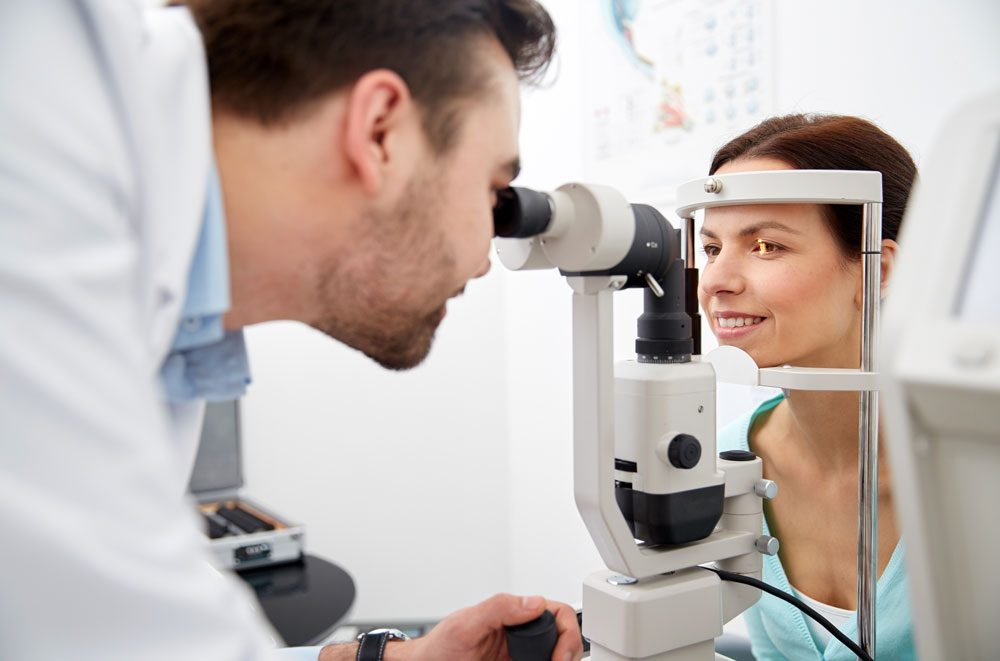
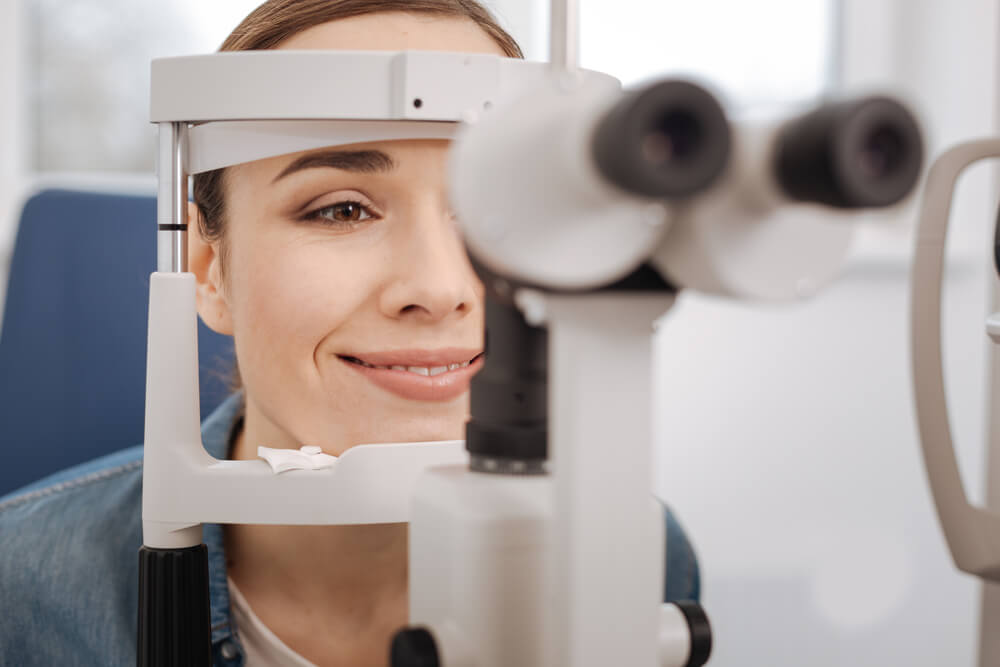
The exam will also include a refraction test to determine your exact prescription if corrective lenses are needed. Your eye pressure will be measured, which is a key indicator for glaucoma. Your doctor will examine the front surface of your eyes using a slit lamp, and will often dilate your pupils to get a clear view of the retina and optic nerve in the back of the eye.
The entire process is painless and typically takes between 45 minutes and an hour. Dilation can cause light sensitivity and temporarily blurry close-up vision for a few hours, so it is a good idea to bring sunglasses and arrange a ride if needed. Scheduling your annual eye exam is a small commitment of time that can yield enormous long-term benefits.
How to Find the Right Optometrist in Hammond, LA
Choosing an eye care provider is a personal decision, but there are a few factors worth considering. Look for a licensed optometrist in Hammond, LA with experience treating patients across all age groups, from young children to seniors. A practice that offers comprehensive eye exams, contact lens fittings, and access to specialty care or referrals gives you a complete resource for your vision health.
Word of mouth from friends and family in the community is often a reliable starting point. Online reviews can also provide insight into the patient experience, wait times, and how well the staff communicates. It is worth confirming that the practice accepts your insurance before booking, and asking whether they offer same-day or next-day appointments for urgent concerns.
Building a long-term relationship with one provider is beneficial because continuity of care allows your doctor to track changes in your eye health over time and respond quickly when something shifts.
Conclusion
Whether you are due for your first visit in years or simply want to confirm you are on the right schedule, the most important step is making the appointment. Routine eye exams are a cornerstone of preventive health care, not just vision correction. By staying consistent with eye exams in Hammond, LA, you give yourself the best possible chance of catching problems early, maintaining clear and comfortable vision, and protecting your eyesight for years to come.
Need Optometry Services Near You?
Here at Tangi Vision Outlet, we’re passionate about helping you see the world clearly and comfortably! For over 10 years, our family-owned business in Hammond, Louisiana, led by Dr. Stephen E. Warren, has been dedicated to providing top-notch optometry services and custom eyewear tailored to your needs. With our cost-effective solutions, unmatched customer service, and a one-year, no-hassle scratch warranty on all products, we’re here to make your experience stress-free and satisfying. Walk in any day, even Saturdays, to see a doctor on staff—no appointment necessary. Reach out to us today and let us help you find your perfect pair of glasses!